Understanding Aplastic Anemia
Most anemias happen because the body lacks essential nutrients such as iron, folic acid, or vitamin B12. Aplastic Anemia is fundamentally different.
In this condition, the bone marrow—the soft tissue inside bones responsible for producing blood cells—stops functioning properly. As a result, production of red blood cells, white blood cells, and platelets dramatically decreases or stops completely.
This condition is medically known as Bone Marrow Failure and requires immediate specialist attention.
Medical Urgency
Children with suspected Aplastic Anemia should be evaluated urgently. Delays may increase the risk of severe infections, dangerous bleeding, and life-threatening complications.
What Causes Aplastic Anemia?
1. Acquired Aplastic Anemia
The child is born with healthy bone marrow but later develops damage to the blood-forming stem cells.
- Autoimmune attack against bone marrow stem cells
- Viral infections including Hepatitis and EBV
- Certain medications and chemical exposures
- Idiopathic cases where no trigger is identified
2. Inherited Bone Marrow Failure Syndromes
Some children are born with genetic conditions that gradually impair bone marrow function.
- Fanconi Anemia
- Dyskeratosis Congenita
- Other inherited marrow failure syndromes
The Warning Signs: Pancytopenia
Because all blood cell production decreases, symptoms occur in three major groups.
Low Red Blood Cells
Extreme tiredness, weakness, pale skin, dizziness, shortness of breath and rapid heartbeat.
Low Platelets
Easy bruising, petechiae, prolonged bleeding, bleeding gums and recurrent nosebleeds.
Low White Blood Cells
Frequent infections, persistent fever, mouth ulcers and delayed healing.
Diagnosing The Empty Marrow
Complete Blood Count (CBC)
Shows reductions in red cells, white cells and platelets simultaneously.
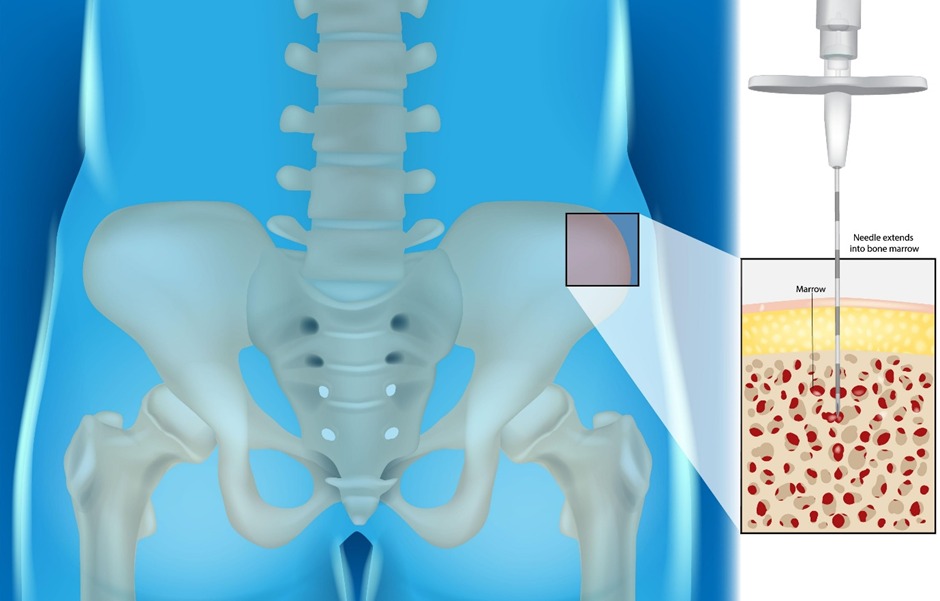
Bone Marrow Aspiration & Biopsy
The definitive test. Healthy marrow appears crowded with blood-forming cells, whereas Aplastic Anemia shows markedly reduced cellularity and replacement by fat.
Genetic Testing
Chromosomal breakage studies and specialized tests help rule out Fanconi Anemia and other inherited conditions.
Treatment: Restarting The Blood Factory
Supportive Care
Blood transfusions, platelet transfusions and aggressive infection prevention provide immediate protection while definitive therapy is planned.
Bone Marrow Transplant
For children with a matched sibling donor, stem cell transplantation offers the highest chance of complete cure.
Immunosuppressive Therapy (IST)
ATG, Cyclosporine and Eltrombopag can suppress the immune attack and stimulate bone marrow recovery in children without a suitable donor.
Why Choose Dr. Nishant Dharsandiya?
- Specialized Pediatric Hematology expertise
- Accurate differentiation between Aplastic Anemia and Leukemia
- Advanced bone marrow diagnostics
- Expert management of ATG therapy
- Infection prevention protocols for immunocompromised children
- Coordination of HLA typing and transplant referrals
- Compassionate family-centered care